




How Can Red and Infrared Light Therapy Help Pain Relief and Muscle Recovery
IN THIS ARTICLE:
- 01 Why Does Red Light Therapy Work?
- 02 What are the benefits of Red Light Therapy for Pain Relief?
- 03 How Does Infrared Light Help With Pain Relief?
- 04 How to Incorporate Red Light Therapy Into Your Routine?
- 05 Choosing the Right Light Therapy Device
- 06 Light That Supports Your Skin, Body & Long-Term Wellness
If you’ve ever wished your skin—or your body—could recover faster from stress, irritation, or inflammation, you’re not alone. Modern life challenges us daily: UV exposure, screen time, environmental stressors, intense workouts, and even emotional burnout all drain the energy our cells need to stay healthy and resilient. Red and infrared LED light therapy works by giving that energy back. This gentle, non-invasive treatment supports the body’s natural healing response, benefiting skin health, pain relief, and physical recovery alike.
Why Does Red Light Therapy Work?
Think of your cells like tiny rechargeable batteries. Over time, stress, ageing, and inflammation drain their power. Red and near-infrared light help recharge these batteries by stimulating mitochondrial activity, increasing the production of ATP—the energy currency cells need for repair and regeneration.
Here’s what makes red light therapy so effective:
- Energises sluggish cells – Light penetrates deeper than topical treatments, supporting fibroblasts that produce collagen and elastin.
- Reduces inflammation – A key factor in calming reactive skin and soothing sore or overworked muscles.
- Improves circulation and lymphatic flow – Helping oxygen and nutrients reach tissues more efficiently.
- Supports mood and relaxation – Many users describe sessions as calming, similar to the effects of seasonal affective disorder (SAD) lamps.
Used consistently, red light therapy can lead to improvements in fine lines, elasticity, redness, tone, texture, breakouts, and wound healing. Think of it as working with your body from the inside out to naturally grow your own collagen. If you’re curious about treatment safety or frequency, our guide on the dangers of LED face masks covers everything you need to know.
What are the benefits of Red Light Therapy for Pain Relief?
While red light therapy is widely recognised for its skin-boosting benefits, its impact goes far beyond the surface. Interest in light-based therapies originally gained momentum when NASA researchers explored LED technology to support wound healing and musculoskeletal recovery in astronauts.
Since then, multiple peer-reviewed studies have investigated photobiomodulation (the clinical term for red and infrared light therapy). Research published in journals such as Lasers in Medical Science and The Journal of Clinical Rheumatology suggests that red and near-infrared light may help:
- Reduce musculoskeletal and joint pain
- Ease symptoms of arthritis and chronic stiffness
- Support post-exercise muscle recovery
- Decrease inflammation in deeper tissues
- Accelerate tissue repair and wound healing
How Does Infrared Light Help With Pain Relief?
Infrared wavelengths play a particularly important role in pain relief and recovery. Because they penetrate deeper than visible red light, infrared wavelengths can reach muscles, joints, and connective tissue. This deeper penetration helps increase local blood flow, improve oxygen delivery, and stimulate cellular repair processes—making infrared light especially valuable for full-body recovery and discomfort linked to deeper tissue inflammation.
Together, red and infrared light offer a drug-free, non-invasive way to support recovery, mobility, and everyday wellbeing.
For more on why wavelength accuracy matters, read the difference between infrared and red light therapy.
How to Incorporate Red Light Therapy Into Your Routine?
Whether your goal is healthier skin, faster workout recovery, or relief from everyday aches, consistency is key.
If you’re wondering about treatment limits, our guide on what happens if you overdo LED light therapy offers simple, reassuring guidance.
Many people also pair light therapy with supportive skincare or recovery routines to maximise results. Explore the full collection here:
Choosing the Right Light Therapy Device
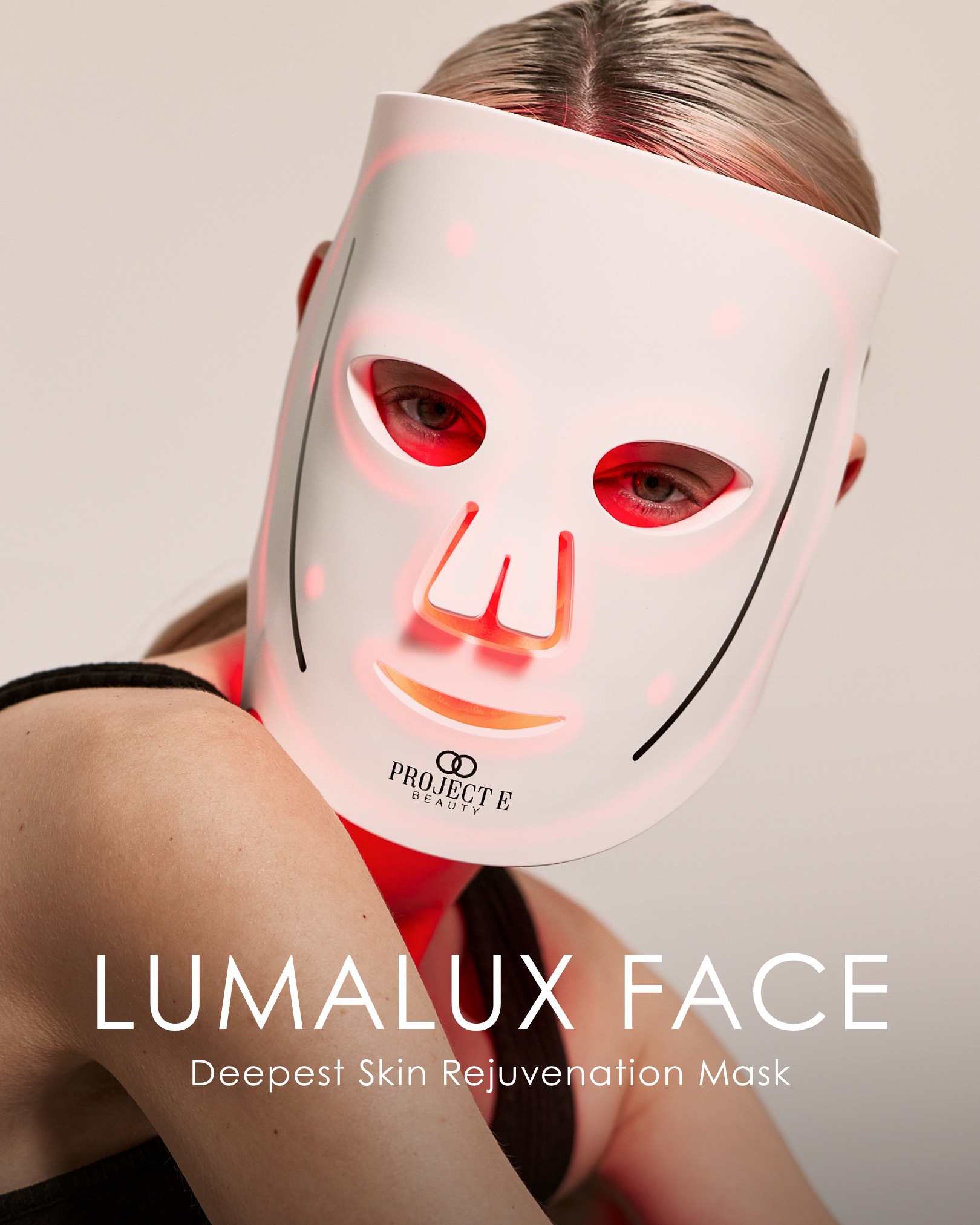
Not all LED devices are created equal. Effectiveness depends on factors such as wavelength accuracy, power output, and coverage area. Some devices are best suited for targeted facial treatments, while others are designed for broader, full-body applications.
Introducing the Alora Panel: Full-Body Light Therapy
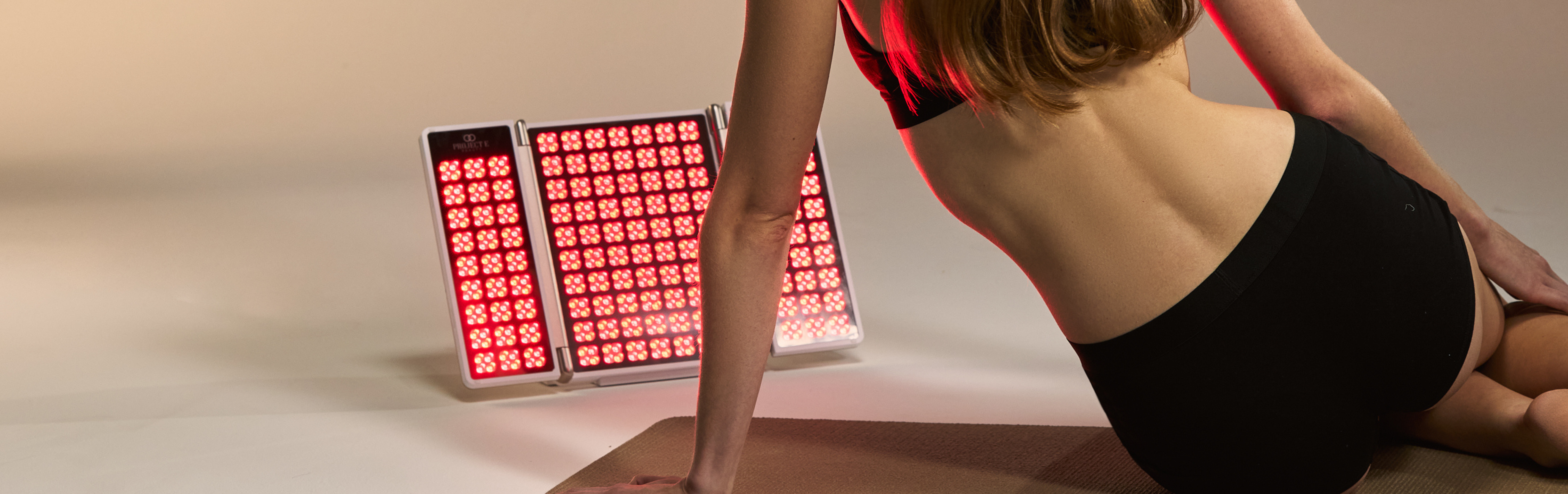
For those seeking broader coverage, the Alora panel offers a solution designed for full-body treatment contexts. Panel-style devices allow red and infrared light to reach larger muscle groups and joints simultaneously, making them ideal for athletes, active individuals, or anyone looking to support whole-body recovery and relaxation.

Alora | Age Renewal LED Light Therapy Panel
Target up to 5 skin layers with advanced blue, infrared and red light therapy contour panel
Light That Supports Your Skin, Body & Long-Term Wellness
Red light therapy doesn’t replace your skincare or wellness routine—it enhances it. By supporting cellular energy, reducing inflammation, and encouraging natural repair processes, light therapy helps you feel better, recover faster, and support healthy ageing from the inside out.
Regular, preventative use can be a powerful way to protect your skin barrier, maintain comfortable movement, and support long-term wellbeing—naturally, gently, and without irritation.



Leave a comment
This site is protected by hCaptcha and the hCaptcha Privacy Policy and Terms of Service apply.